Source Omnidirectional Indoor Sma Sucker Antenna for IoT, Wi-Fi, and GPS
Find and compare 30 models of the omnidirectional indoor sma sucker antenna designed for reliable signal reception. Evaluate specifications such as VSWR, impedance, and connector types to select the right component for your communication projects.
Key considerations
Products List


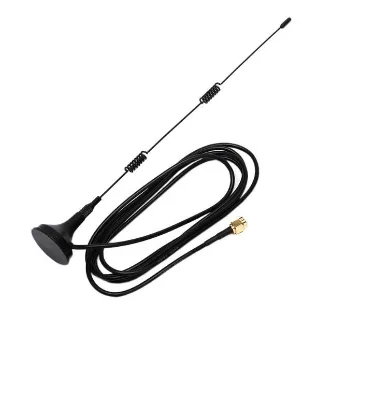
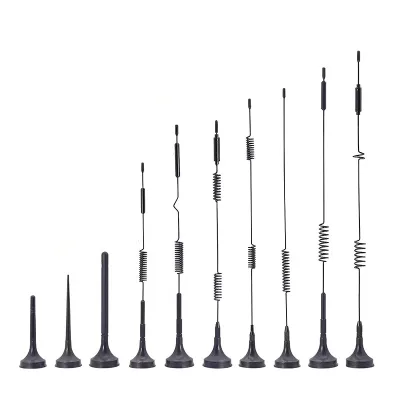

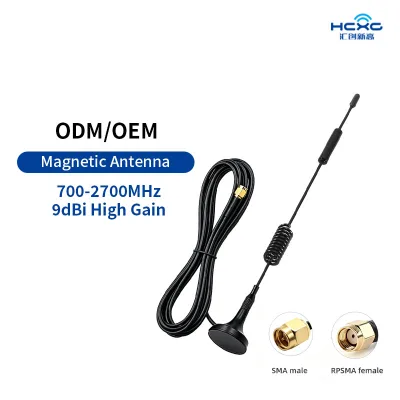
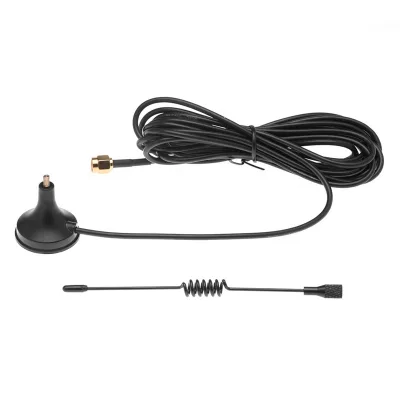


Comprehensive Sourcing Guide
Omnidirectional Indoor SMA Sucker Antenna Sourcing Guide
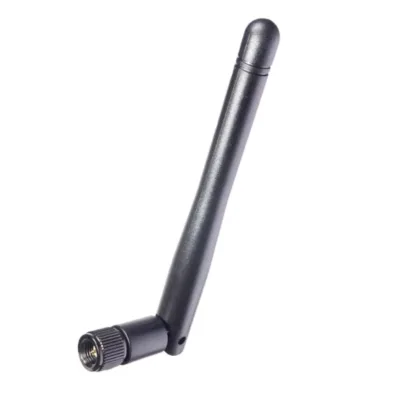
Sourcing omnidirectional indoor SMA sucker antennas requires a disciplined approach to balancing technical performance with commercial viability. These antennas are ubiquitous in modern wireless infrastructure, serving as critical components for Wi-Fi extenders, cellular signal boosters, and IoT gateways. The "sucker" designation typically refers to a magnetic base mount, allowing for flexible placement on metal surfaces, while the SMA connector ensures compatibility with a wide range of consumer and industrial radio equipment. Buyers must navigate a market characterized by significant variation in build quality, material composition, and regulatory compliance. The following guide outlines the essential verification steps, technical parameters, and commercial considerations necessary to secure reliable supply chains for these components.
The procurement landscape for these antennas is diverse, with manufacturers ranging from specialized RF component producers to general electronics assemblers. Observed market data indicates a broad price range, reflecting differences in gain, impedance matching, and connector durability. Buyers often encounter listings with varying Minimum Order Quantities (MOQs), which can impact inventory management and cash flow. Understanding the specific operational requirements of the end device is paramount before engaging with suppliers. A mismatch between the antenna’s polarization, impedance, and frequency range and the host device’s specifications can lead to poor signal quality, increased packet loss, and customer returns. Therefore, initial supplier engagement should focus on technical alignment rather than price alone.
Product Scope and Observed Listing Signals
The product scope for omnidirectional indoor SMA sucker antennas encompasses a variety of form factors and performance characteristics. Listings often highlight key attributes such as vertical or horizontal polarization, with vertical polarization being common for general-purpose indoor coverage. The nature of operation is typically bidirectional, supporting both transmitting and receiving functions, which is essential for full-duplex communication systems. Buyers should observe that materials vary significantly, with ABS plastic being a common choice for the housing due to its durability and cost-effectiveness, while aluminum variants may offer better heat dissipation or structural rigidity. The magnetic base, often constructed from steel, provides the mounting mechanism, but its strength and corrosion resistance should be verified for specific environmental conditions.
Observed listing signals reveal a wide spectrum of technical specifications that require careful scrutiny. For instance, input impedance is a critical parameter, with 50 ohms being the industry standard for most RF applications, though some listings may specify 75 ohms, which is incompatible with standard 50-ohm systems. Cable length is another variable, with 3-meter cables being a common default, often customizable to suit specific installation needs. The connector type is predominantly SMA, but variations such as SMA-J or N-J may appear, requiring precise matching with the host device’s port. Buyers must also pay attention to the Voltage Standing Wave Ratio (VSWR), a key indicator of impedance matching efficiency. Values ranging from 1.5 to 2.0 are generally acceptable, with lower values indicating better performance and less signal reflection.
Technical Specifications to Verify
Verifying technical specifications is the most critical step in the sourcing process to ensure compatibility and performance. The frequency range is a primary consideration, with many indoor antennas designed for specific bands such as 824-960 MHz and 1850-1990 MHz, which correspond to common cellular and Wi-Fi frequencies. Gain, measured in dBi, indicates the antenna’s ability to direct energy in a specific direction; a gain of 3.5 dBi is typical for omnidirectional models, providing a balanced coverage pattern. Buyers should also verify the maximum input power handling, which can range from 33 dBm to 100W depending on the application. Exceeding these limits can damage the antenna or the connected radio equipment, so clear documentation of power ratings is essential.
Operating conditions and physical dimensions also play a significant role in the selection process. The operating temperature range is a vital specification, with many indoor antennas rated for -30ºC to 65ºC or -40ºC to 85ºC, ensuring reliability in various environments. Weight is another factor, with lightweight designs around 55g to 0.9kg being common, impacting the ease of installation and the strength required for the magnetic mount. The cable type, such as RG-174, affects signal loss over distance, so buyers should confirm the cable quality and shielding to minimize attenuation. Additionally, the dimensionality of the antenna, whether two-dimensional or three-dimensional, influences the radiation pattern and should be aligned with the intended coverage area.
Compliance and Safety Documentation
Compliance and safety documentation are non-negotiable for market access, particularly in regulated regions like North America and Europe. Buyers must ensure that suppliers provide evidence of adherence to relevant standards, such as FCC for the United States and CE for the European Union. These certifications confirm that the antenna meets electromagnetic interference (EMI) limits and safety requirements. ISO 9001 certification indicates a robust quality management system, while ISO/TS 16949 may be relevant for automotive applications. RoHS compliance is also critical, ensuring that the product is free from hazardous substances, which is increasingly important for environmental sustainability and regulatory compliance.
Beyond regulatory certifications, buyers should request detailed test reports and performance data from the supplier. These documents should include VSWR curves, gain measurements, and impedance matching results across the specified frequency range. Verifying that the product has undergone rigorous testing under various conditions helps mitigate the risk of field failures. Buyers should also inquire about the packaging standards, ensuring that the antennas are protected against static discharge and physical damage during transit. Standard packaging or custom requirements should be clearly defined to prevent damage and ensure that the product arrives in optimal condition.
Cost Drivers and Commercial Terms
Cost drivers for omnidirectional indoor SMA sucker antennas include material costs, manufacturing complexity, and order volume. The choice of materials, such as ABS versus aluminum, directly impacts the unit price. Customization options, such as specific cable lengths, connector types, or branding, can also increase costs. Buyers should negotiate based on tiered pricing structures, where larger volumes result in lower unit costs. Understanding the MOQ is essential, as some suppliers may have high MOQs that are difficult to meet for small-scale projects, while others may offer flexible terms for trial orders.
Commercial terms should be clearly defined to avoid misunderstandings and additional costs. Lead times are a critical factor, especially for time-sensitive projects. Buyers should confirm the production lead time and any potential delays due to supply chain disruptions. Payment terms, such as deposits and balance payments, should be negotiated to balance risk and cash flow. Shipping costs and Incoterms should also be agreed upon, as they affect the total landed cost. Buyers should also consider the cost of customization, such as custom packaging or labeling, and ensure that these costs are transparently quoted.
Supplier Qualification and Quality Control
Supplier qualification is a proactive process that involves assessing the manufacturer’s capabilities and reliability. Buyers should verify the supplier’s production capacity, quality control processes, and after-sales support. A supplier with a proven track record in RF component manufacturing is more likely to deliver consistent quality. Requesting samples for testing is a crucial step to validate the supplier’s claims and ensure that the product meets the required specifications. Buyers should also evaluate the supplier’s responsiveness and communication skills, as these factors are indicative of their ability to handle issues and provide support.
Quality control measures should be established to ensure that the products meet the agreed-upon standards. This includes incoming material inspections, in-process quality checks, and final product testing. Buyers should request a quality assurance plan from the supplier, detailing the testing procedures and acceptance criteria. Regular audits of the supplier’s facilities can help identify potential issues and ensure continuous improvement. Establishing a clear feedback loop for any defects or non-conformities is essential for maintaining high quality standards and fostering a strong supplier relationship.
Long-Term Procurement Checks
Long-term procurement checks involve monitoring supplier performance and market trends to ensure ongoing value and reliability. Buyers should regularly review supplier performance metrics, such as on-time delivery rates, defect rates, and responsiveness to issues. This data can help identify potential risks and opportunities for improvement. Staying informed about technological advancements in antenna design and materials can also help buyers make informed decisions about future purchases. Evaluating the supplier’s ability to innovate and adapt to changing market conditions is crucial for maintaining a competitive edge.
Building a resilient supply chain requires diversification and contingency planning. Buyers should consider sourcing from multiple suppliers to mitigate the risk of supply disruptions. Establishing strong relationships with key suppliers can also provide access to better pricing and priority service. Regularly reviewing and updating procurement strategies based on market dynamics and internal needs is essential for long-term success. By maintaining a proactive approach to supplier management and quality control, buyers can ensure a steady supply of high-quality omnidirectional indoor SMA sucker antennas.
FAQs
What is the input impedance of this antenna?
The input impedance is 50 ohms, which is standard for most RF communication systems. This ensures efficient power transfer and minimizes signal reflection. Some models may list 75 ohms, so verify the specific product datasheet before integration to ensure compatibility with your transmitter or receiver equipment.
Can this antenna be customized for specific needs?
Yes, customization is available for various parameters. Buyers can request specific cable lengths, such as 3 meters, or adjust packaging requirements. The manufacturer supports tailored solutions to meet distinct operational needs, ensuring the antenna fits seamlessly into your existing infrastructure without compromising performance or signal integrity.
What is the operating temperature range?
The operating temperature range typically spans from -30°C to 65°C or -40°C to 85°C, depending on the specific model. This wide range ensures reliable performance in diverse environmental conditions. Always check the specific product specification sheet to confirm the exact thermal limits for your intended installation environment.
How much power can this antenna handle?
Maximum input power ratings vary by model, with options handling up to 100W or 50W. Some specifications list power handling in dBm, such as 33dBm. Ensure your transmitter output does not exceed the rated maximum to prevent damage. Verify the exact power handling capability in the product datasheet before deployment.
What connector types are supported?
Common connector types include SMA Male and N-Type variants. These connectors ensure secure and reliable connections to compatible devices. The specific connector type depends on the model, such as GW-8964C or GM-8923. Always verify the connector interface matches your equipment ports to maintain optimal signal transmission and reception quality.
What is the VSWR performance?
The Voltage Standing Wave Ratio (VSWR) is typically rated at 2.0 or less, with some models achieving 1.5 to 2.0. A lower VSWR indicates better impedance matching and efficient power transfer. This performance metric ensures minimal signal loss, making the antenna suitable for high-quality communication applications requiring stable signal integrity.
Where are these antennas manufactured?
These antennas are manufactured in China, specifically in regions like Shenzhen and Guangdong. This location supports efficient production and supply chain logistics. Buyers can expect consistent quality standards aligned with international certifications. The origin ensures access to a robust manufacturing ecosystem capable of meeting diverse global demand for communication components.